If you have searched “Japanese playgroup” — in Melbourne, Sydney, Brisbane, Perth, Auckland, Singapore or Hong Kong — you are almost certainly in one of two situations. Either you have a toddler and you want them to hear Japanese from someone other than you, or your child has outgrown the playgroup and you are quietly wondering what comes next.
This article covers both, honestly. Japanese playgroups are one of the best things in the whole overseas-Japanese landscape — and they have a hard age ceiling that catches every family by surprise.
What a Japanese playgroup actually is
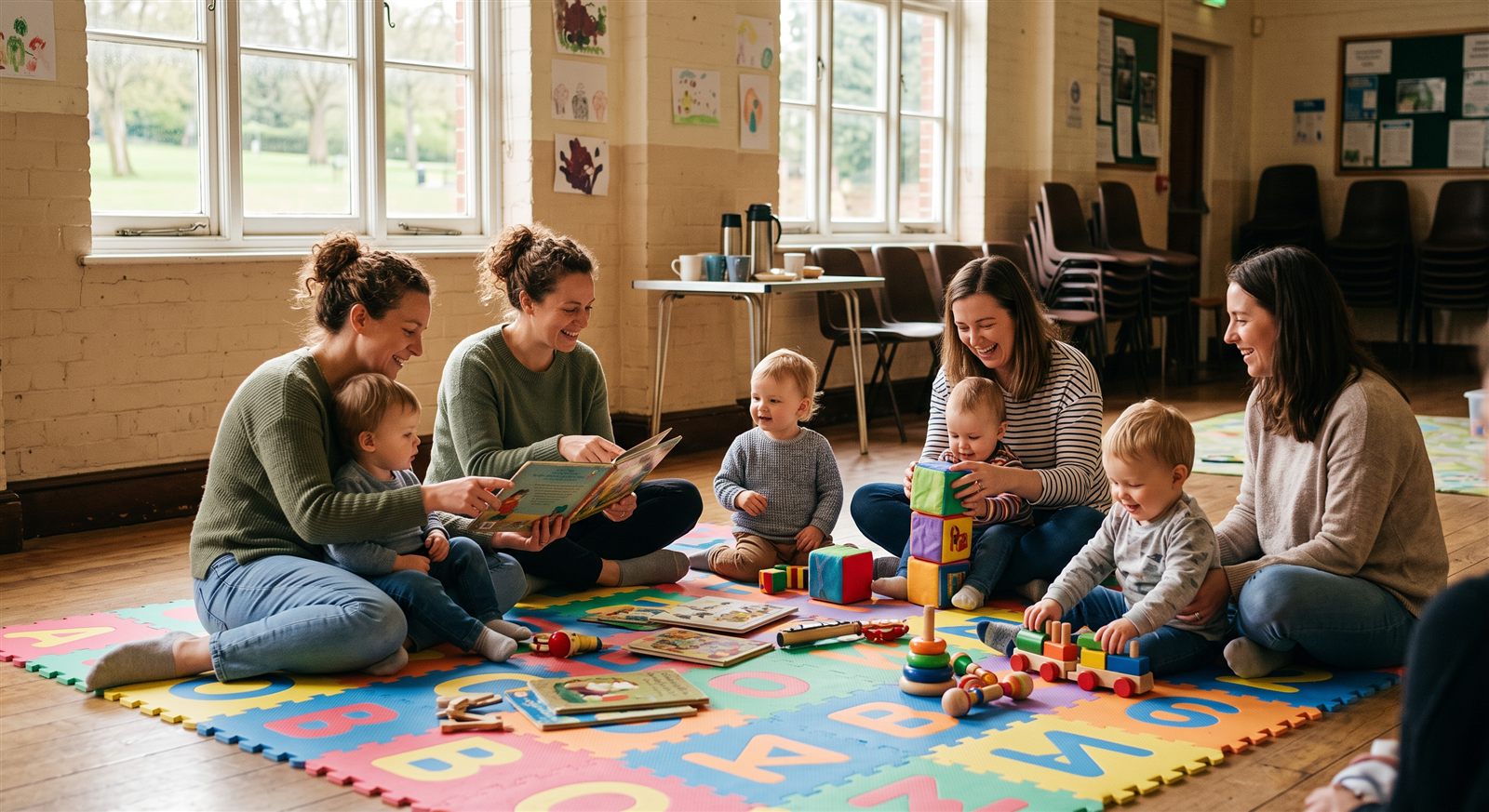
Almost all of them are community-run and parent-led. A group of Japanese-speaking parents books a neighbourhood house or community hall, and children play, sing, hear stories and eat snacks — in Japanese. In Melbourne alone you will find groups in Port Melbourne, Glen Waverley and Phoenix Park; the pattern repeats across Australian and New Zealand cities and through Singapore and Hong Kong.
- Ages: typically 0 to 5. Port Melbourne’s group, for example, is for 0-to-5-year-olds.
- When: usually one weekday morning during school terms — Glen Waverley meets Fridays from 11:00, Phoenix Park on Tuesday mornings.
- Cost: low or nothing. These are communities, not businesses.
- The point: as one Melbourne community puts it, somewhere children can enjoy their connection to Japan regardless of how much Japanese they speak.
Sessions and age ranges change with whoever is organising this term, so check the group’s own page before you turn up.
Wondering what to add once the app runs out?
TOMODACHI JAPAN is an online Japanese school for children growing up outside Japan. They talk with peers their own age in Japan every day, taught by teachers working at Japanese schools, in small classes of 8.
🎁 Register and we’ll email you our School Guide (PDF, in English) straight away. You’ll also be first to hear about tuition, scholarships and opening dates.
Free · takes about 30 seconds
Why playgroups work so well
We want to be clear about this, because playgroups deserve the credit. They get something right that expensive programmes often miss.
- Japanese arrives socially, not as homework. Nobody is assessed. Nobody is behind.
- The parent gets support too. For a Japanese parent raising a child in an English-speaking city, two hours a week with other Japanese-speaking parents is not a small thing.
- Children hear Japanese from more than one adult. A child who only ever hears Japanese from one parent quietly concludes it is that parent’s private language.
- It costs almost nothing.
If there is a Japanese playgroup near you and your child is under five, go. There is no cleverer answer than that.
The cliff at age five
Then school starts, and three things happen at once.
The playgroup ends, because your child has aged out. The child’s day fills with English — six hours of it, with the friends who matter most to them. And the Japanese that used to arrive socially now has to be arranged by a parent, which turns it from play into an obligation almost overnight.
This is the point where most families first hear the sentence that brought them to this article: “She understands everything I say, but she answers me in English.” That is not a discipline problem and it is not your fault. It is arithmetic. Japanese stopped having other children attached to it.
What families do next
The usual options after playgroup, with what each one is actually good for:
| Japanese playgroup | Saturday Japanese school | Private tutor | TOMODACHI JAPAN | |
|---|---|---|---|---|
| Ages | 0 to 5 | School age | Any | School age |
| Where | Your city, if a group exists | Your city, if a school exists | Online or local | Online, anywhere |
| Costs your Saturday | No | Yes | No | No |
| Other children | Yes — locally | Yes — locally | No | Yes — in Japan |
| Reading and writing | No | Strong | Depends | Taught, not the main event |
| Feels like play | Yes | Often not | Rarely | That is the aim |
What TOMODACHI JAPAN does
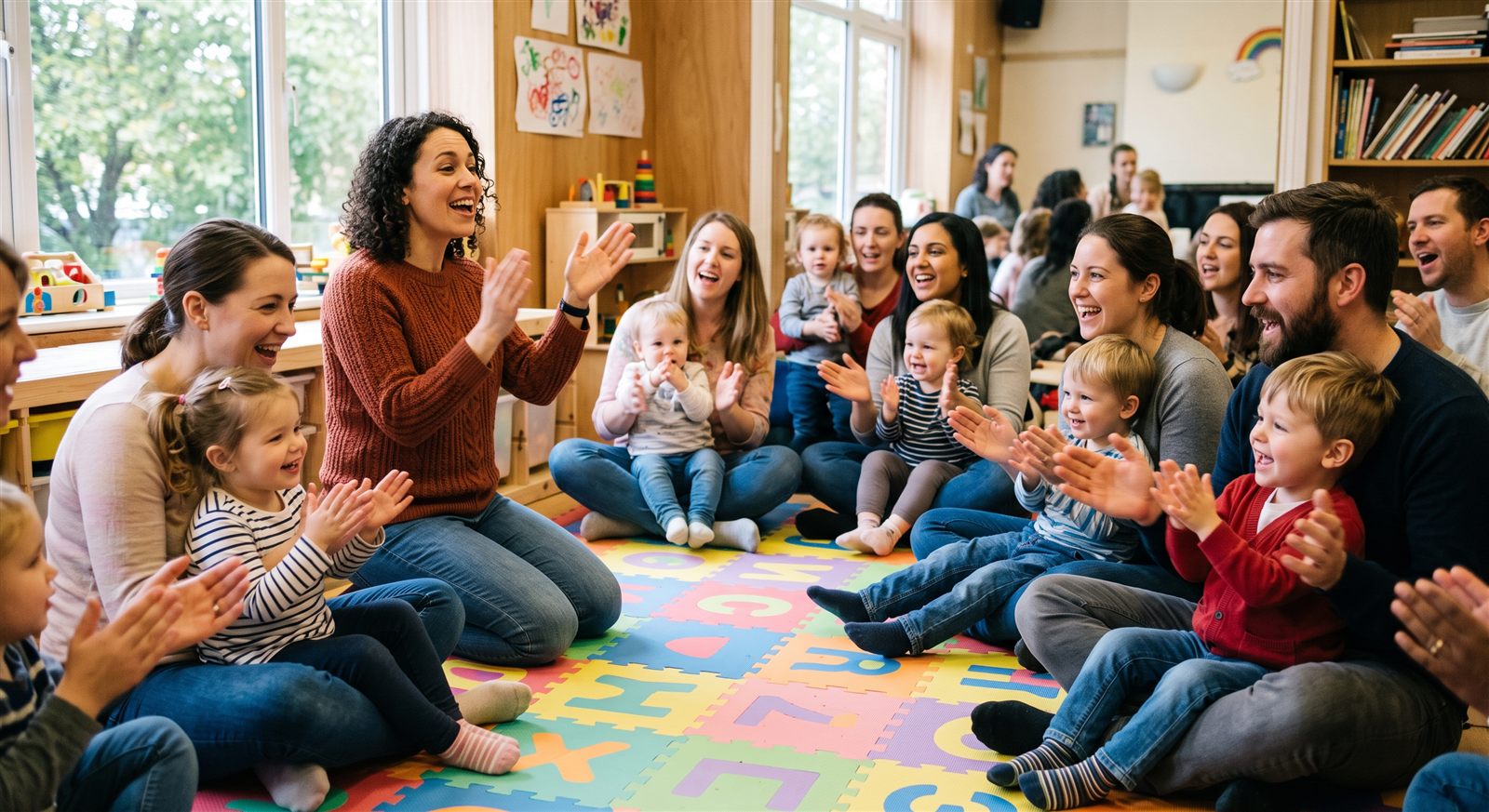
We are an online Japanese school for children growing up outside Japan. In one specific sense we are trying to be what the playgroup was, for older children.
- Other children, in Japanese, on a regular schedule — except the other children live in Japan.
- Small classes of 8, so it feels like a group of friends rather than an audience.
- Teachers working at Japanese schools, who know how children this age actually talk to each other.
- Weekday evenings, scheduled across time zones — your Saturday stays yours.
And if your child is still three, please keep going to playgroup. We would rather you spent the next two years there.
Frequently asked questions
How do I find a Japanese playgroup near me?
Most are organised through community Facebook groups, neighbourhood houses and local Japanese associations rather than websites. Searching your suburb plus “Japanese playgroup” usually finds the group page; your city’s Japanese community association is the other reliable route.
My Japanese is not very good. Can we still go?
Yes — that is explicitly the culture of these groups. Melbourne’s Japanese communities describe themselves as places to enjoy a connection to Japan regardless of proficiency, and mixed-language families are the norm rather than the exception.
Is there a playgroup for school-age children?
Rarely. Playgroups are built around the pre-school day. Once children start school, the local options usually become Saturday schools, tutoring, or online classes.
In short
- Japanese playgroups are community-run, cheap, and excellent — usually for ages 0 to 5, one weekday morning a term-time week.
- They work because Japanese arrives socially, with no assessment attached.
- School is the cliff. The group ends, English takes over the day, and Japanese becomes something a parent has to organise.
- What you are replacing after playgroup is not lessons. It is other children.