Haikyuu!! has something almost no other anime gives a learner: a single room in which a coach yells 下を向くんじゃねえ, an adviser says ですます-form sentences to teenagers, and a setter from Osaka drops 打てへん instead of 打てない. One team, three completely different Japanese registers, scene after scene. I’m a Japanese teacher, and here are Haikyuu quotes in Japanese with rōmaji, English, and the grammar that separates the speakers.
Can-you-use-it legend: ◎ = safe in real conversation · △ = fine in anime, odd in life · ✗ = rude or role-play only.
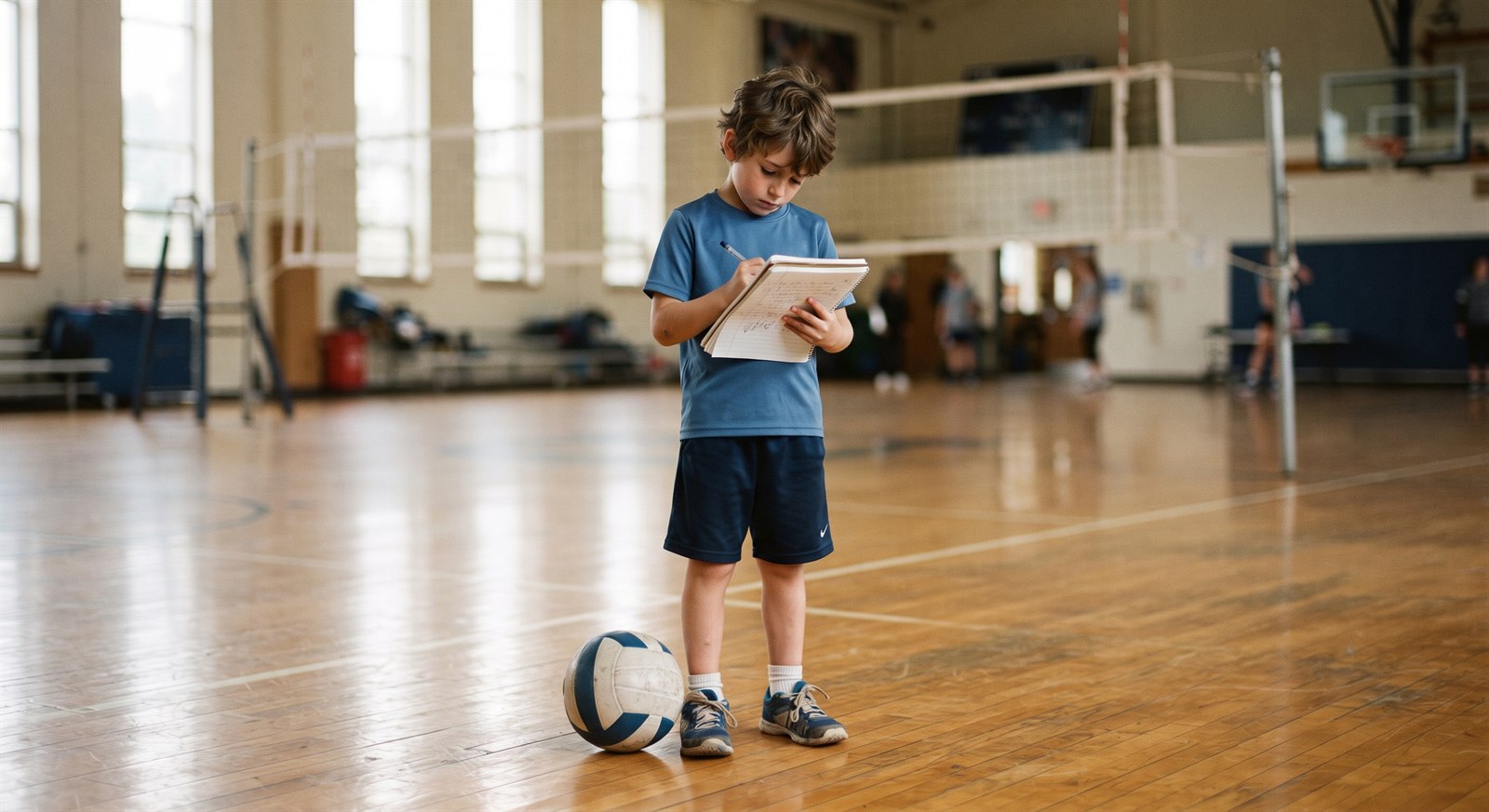
Haikyuu quotes in Japanese
| Japanese | Rōmaji | English | Use it? |
|---|---|---|---|
| 負けたくないことに理由って要る? | Maketakunai koto ni riyū tte iru? | Do you need a reason for not wanting to lose? | ◎ Hinata — natural casual speech |
| でも俺がいればお前は最強だ | Demo ore ga ireba omae wa saikyō da | But with me here, you’re unbeatable. | △ Kageyama — ば-conditional is ◎, お前 is not |
| もしも相手が絶対かなわない様な強敵だとしても、勝とうとしなきゃ勝てないよ | Moshimo aite ga zettai kanawanai yō na kyōteki da to shite mo, katō to shinakya katenai yo | Even against an opponent you could never beat, you can’t win unless you try to. | ◎ Daichi — volitional plus とする |
| ところで平凡な俺よ、下を向いている暇はあるのか | Tokoro de heibon na ore yo, shita o muite iru hima wa aru no ka | By the way, ordinary me — do you have time to be looking down? | △ Tanaka — 〜のか is a challenge |
| 心配することなんか何も無え。皆、前だけ見てけよ。背中は俺が護ってやるぜ | Shinpai suru koto nanka nani mo nē. Mina, mae dake mite ke yo. Senaka wa ore ga mamotte yaru ze | There’s nothing to worry about. Everyone, just look forward. I’ll guard your backs. | △ Nishinoya — 無え and ぜ are rough |
| そんなモン、プライド以外に何が要るんだ | Sonna mon, puraido igai ni nani ga iru n da | What do you need besides pride? | △ Yamaguchi — もん is casual もの |
| 逃げる方が絶対後からしんどいって事は、もう知ってる | Nigeru hō ga zettai ato kara shindoi tte koto wa, mō shitteru | I already know that running away is definitely harder later. | ◎ Ennoshita — 〜方が is core grammar |
| スタートに必要なのは、チョコっとの好奇心くらいだよ | Sutāto ni hitsuyō na no wa, chokotto no kōkishin kurai da yo | All you need to start is a little bit of curiosity. | ◎ Shimizu — gentle and completely usable |
| 下を向くんじゃねえ。バレーは常に上を向くスポーツだ | Shita o muku n ja nē. Barē wa tsune ni ue o muku supōtsu da | Don’t look down. Volleyball is a sport where you’re always looking up. | ✗ Coach Ukai — 〜んじゃねえ is a rough ban |
| 「負け」は弱さの証明ですか?君達にとって「負け」は試練なんじゃないですか? | “Make” wa yowasa no shōmei desu ka? Kimitachi ni totte “make” wa shiren nan ja nai desu ka? | Is losing proof of weakness? Isn’t losing a trial for you? | ◎ Takeda — polite ですます throughout |
| 才能は開花させるもの、センスは磨くもの | Sainō wa kaika saseru mono, sensu wa migaku mono | Talent is something you make bloom; instinct is something you polish. | ◎ Oikawa — 〜もの for general truths |
| 俺達は血液だ。滞り無く流れろ、酸素を回せ | Oretachi wa ketsueki da. Todokōri naku nagarero, sanso o mawase | We are the blood. Flow without blockage; circulate the oxygen. | △ Kuroo — imperatives, striking metaphor |
| 最初クリアできそうにないゲームでも、繰り返すうちに慣れるんだよ | Saisho kuria dekisō ni nai gēmu demo, kurikaesu uchi ni nareru n da yo | Even a game that looks unclearable at first, you get used to as you repeat it. | ◎ Kenma — 〜うちに is high-value grammar |
| 俺のセットで打てへんやつはただのポンコツや | Ore no setto de utehen yatsu wa tada no ponkotsu ya | Anyone who can’t hit my set is just a dud. | ✗ Atsumu — Kansai dialect plus an insult |
Want to go from quoting anime to actually talking with friends in Japan?
TOMODACHI JAPAN is an online Japanese school for children growing up outside Japan. They talk with peers their own age in Japan every day, taught by teachers working at Japanese schools, in small classes of 8.
🎁 Register and we’ll email you our School Guide (PDF, in English) straight away. You’ll also be first to hear about tuition, scholarships and opening dates.
Free · takes about 30 seconds
One gym, three levels of politeness
Put Takeda-sensei’s line beside Coach Ukai’s. Both are adults, both are telling the same team the same thing, and the grammar could not be further apart.
| Speaker | Japanese | Register |
|---|---|---|
| Takeda (teacher) | 試練なんじゃないですか | ですます — polite, treats students as equals |
| Ukai (coach) | 下を向くんじゃねえ | Rough plain form, ねえ for ない |
| Daichi (captain) | 勝とうとしなきゃ勝てないよ | Casual plain, softened with よ |
| Shimizu (manager) | 好奇心くらいだよ | Gentle plain, no aggression at all |
| Nishinoya | 護ってやるぜ | Rough male speech, ぜ for swagger |
Teacher’s note: a Japanese teacher using ですます with teenagers is not being distant — it is a deliberate signal of respect, and Takeda is written that way because he is the one adult who treats the club as serious people rather than kids. This is the single most useful thing Haikyuu!! can teach a learner: politeness in Japanese is not a fixed level attached to age, it is a choice the speaker makes about the relationship, and every character makes a different one.
Watch the rough contractions too. ねえ is ない, 無え is 無い, 見てけ is 見ていけ. They are normal in male casual speech among friends and completely wrong in a shop, a classroom or a first meeting.
打てへん — the Kansai dialect that subtitles cannot show you
Atsumu Miya is from Hyōgo, and he speaks Kansai-ben. English subtitles usually flatten this into a generic swagger, so learners never find out that the character is speaking a regional variety at all.
| Standard | Kansai | Meaning |
|---|---|---|
| 打てない | 打てへん | Can’t hit |
| だ | や | Is (copula) |
| ない | へん / ん | Negative ending |
| ありがとう | おおきに | Thank you |
| 違う | ちゃう | That’s wrong / no |
| とても | めっちゃ | Very (now used nationwide) |
Kansai-ben is spoken by roughly twenty million people around Osaka, Kyoto and Kobe, and it carries strong associations in Japan — warmth, humour, directness. Casting the cockiest setter in the series as a Kansai speaker is a characterisation choice made entirely in grammar. If your child ever visits Osaka, めっちゃ and ちゃう will be in the first ten sentences they hear.
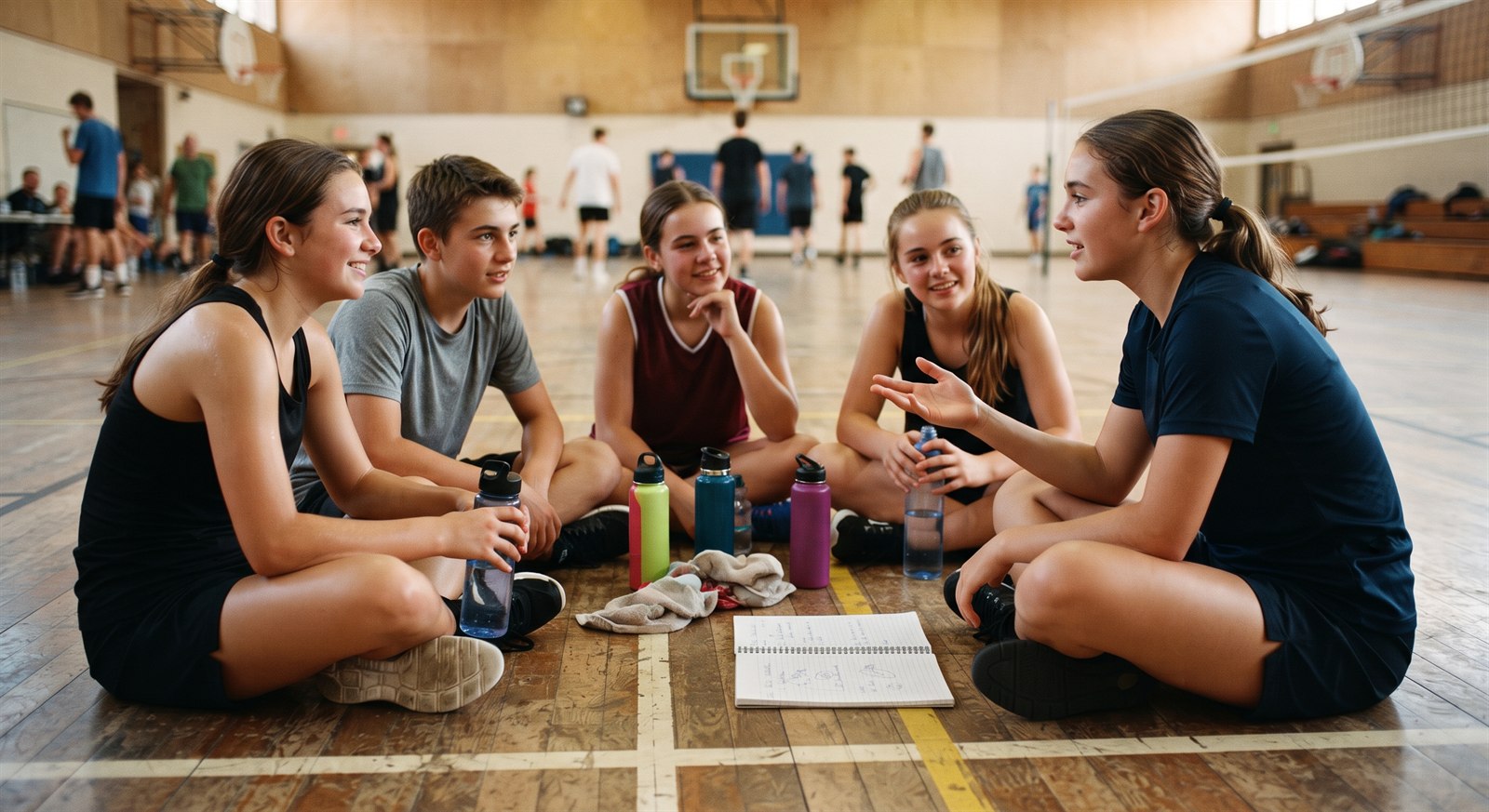
勝とうとする — the volitional, and how to say “try to”
Daichi’s line contains the pattern the whole series runs on: 勝とうとしなきゃ勝てない, “if you don’t try to win, you can’t win.” 勝とう is the volitional (“let’s win / I shall win”), and adding とする turns it into an attempt.
| Japanese | Rōmaji | Meaning |
|---|---|---|
| 行こう | ikō | Let’s go |
| 行こうとする | ikō to suru | To try to go / be about to go |
| 勝とうとする | katō to suru | To try to win |
| やってみる | yatte miru | To try doing (and see what happens) |
| しなきゃ | shinakya | Contraction of しなければ — if you don’t |
Teacher’s note: English has one “try” and Japanese has two, and they mean different things. 〜てみる is “try it and see” — 食べてみる, taste it. 〜(よ)うとする is “make an attempt at,” often against resistance — 開けようとしたが開かなかった, “I tried to open it but it wouldn’t.” Daichi means the second. Getting these two backwards is one of the most common intermediate mistakes.
〜うちに — the pattern hiding in Kenma’s line
繰り返すうちに慣れる means “while you repeat it, you come to get used to it.” うちに marks a period during which a change quietly happens — and it is far more common in adult Japanese than most learners realise.
| Japanese | Rōmaji | Meaning |
|---|---|---|
| 若いうちに | wakai uchi ni | While you’re still young |
| 忘れないうちに | wasurenai uchi ni | Before I forget |
| 話しているうちに | hanashite iru uchi ni | While we were talking (something changed) |
| 知らないうちに | shiranai uchi ni | Without my noticing |
忘れないうちに and 知らないうちに are phrases you will hear in the first week of living in Japan. Kenma — the quietest character in the show — gets the most quietly practical grammar in it.
Where the practice has to happen
A table can show you that Takeda says ですます and Ukai says ねえ. Choosing correctly yourself — in a gym, in a shop, with a friend’s parent standing right there — is a reflex, and reflexes are built by being in the room with people who will react.
At TOMODACHI JAPAN, small groups of children learn with qualified teachers who currently work in Japanese schools, alongside peers their own age in Japan. Some of our students arrive through sport, some through anime. The teacher’s job is to get them from reciting Hinata to saying something of their own.
Frequently asked questions
What is the most famous Haikyuu quote in Japanese?
下を向くんじゃねえ。バレーは常に上を向くスポーツだ (Shita o muku n ja nē. Barē wa tsune ni ue o muku supōtsu da) — Coach Ukai’s “Don’t look down. Volleyball is a sport where you’re always looking up.” Hinata’s 負けたくないことに理由って要る? runs it close.
What does 〜んじゃねえ mean?
It is a rough spoken form of 〜んじゃない, used as a prohibition: “don’t do that.” 下を向くんじゃねえ is a harsher version of 下を向かないで. It is coach-and-teammate language; do not aim it at anyone you are not close to.
Which Haikyuu character speaks Kansai dialect?
The Miya twins from Inarizaki, most noticeably Atsumu — 打てへん for 打てない, ポンコツや for ポンコツだ. Kansai-ben replaces the copula だ with や and the negative ない with へん, and it is spoken by around twenty million people in the Osaka–Kyoto–Kobe region.
Why does Takeda-sensei use polite Japanese with students?
Because politeness in Japanese signals the relationship you are choosing, not just your rank. Takeda’s ですます treats the players as people whose decisions matter. It is a characterisation made purely out of verb endings, and it is invisible in English subtitles.
Is Haikyuu good for learning Japanese?
It is one of the best, precisely because the cast spans registers: a polite adviser, a rough coach, a captain, a dialect speaker and a gym full of teenagers. Sports vocabulary is also mostly loanwords you already know — サーブ, ブロック, レシーブ, セッター. See our guide to learning Japanese with anime and our note on watching with Japanese subtitles.
How does my child practise this with real Japanese speakers?
Through small group classes with same-age peers in Japan and a teacher who corrects politeness as well as grammar. See TOMODACHI JAPAN’s plans and pricing, or browse our My Hero Academia quotes guide for more register practice.