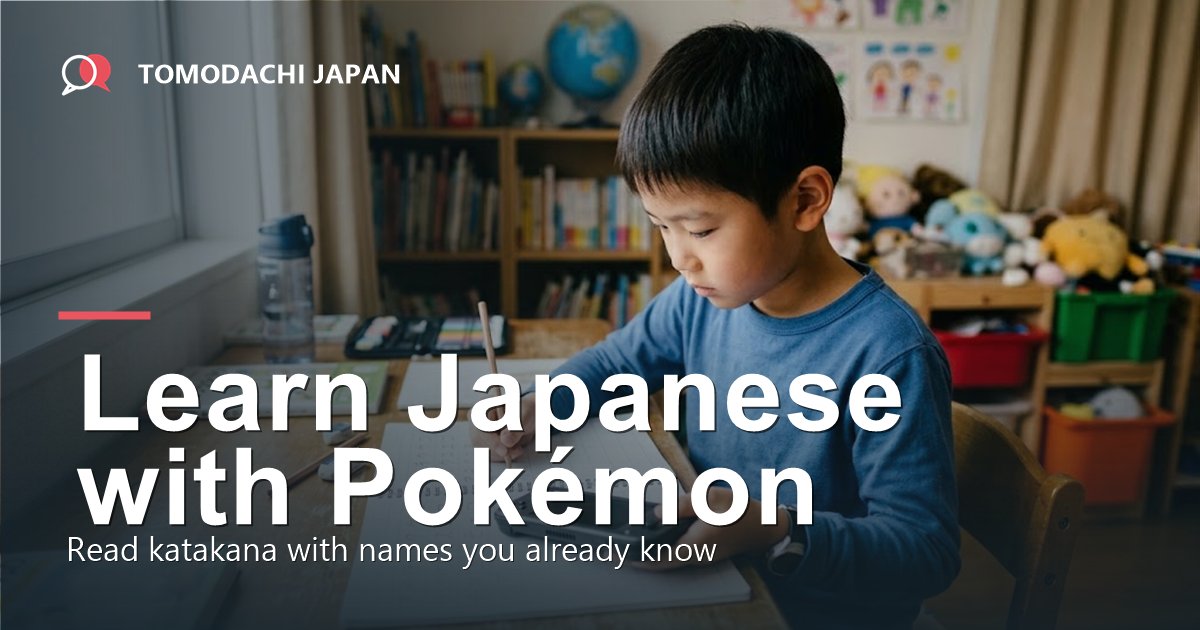
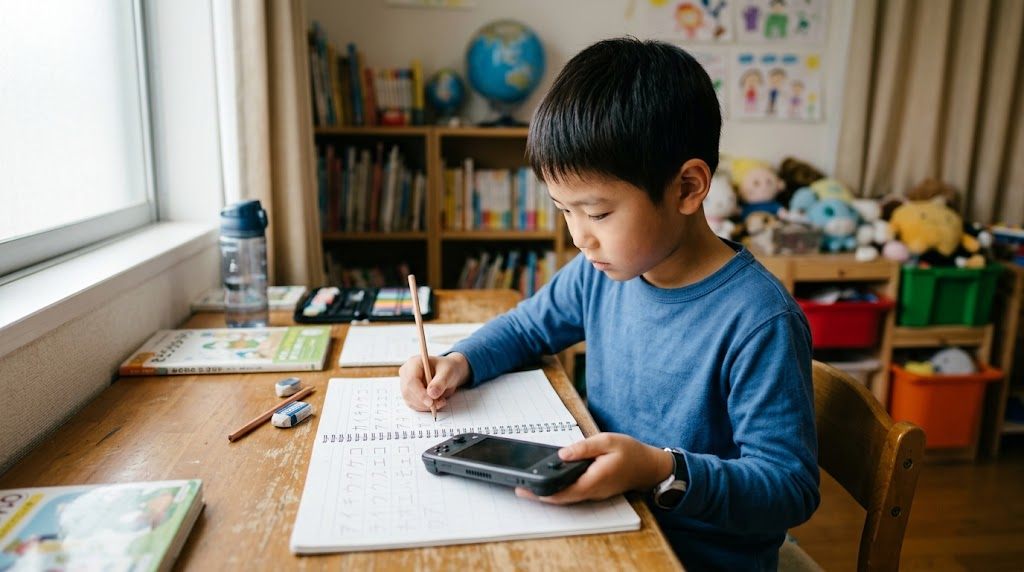
Here’s a secret most Pokémon fans never realise: nearly every Pokémon name is written in katakana, the Japanese script for foreign and “cool” words — which makes Pokémon one of the best ways in the world to learn to read Japanese. I’m a Japanese teacher, and in this guide I’ll show you how to learn Japanese with Pokémon: read real Pokémon names in katakana, sound them out with rōmaji, pick up genuinely useful vocabulary, and learn which anime phrases you can actually use in real life.
Can-you-use-it legend: ◎ = natural everyday Japanese · △ = casual/dramatic, friends only · ✗ = anime only, rough or strange in real life.
Read Pokémon names in katakana
| Katakana | Rōmaji | English | Note |
|---|---|---|---|
| ピカチュウ | Pikachū | Pikachu | ピ-カ-チュウ, long vowel ウ |
| フシギダネ | Fushigidane | Bulbasaur | From 不思議だね “how mysterious” |
| ヒトカゲ | Hitokage | Charmander | 火+トカゲ = “fire lizard” |
| ゼニガメ | Zenigame | Squirtle | 銭亀 = a baby turtle |
| ミュウツー | Myūtsū | Mewtwo | ミュウ (Mew) + ツー (two) |
Teacher’s note — why katakana matters: Katakana is one of Japan’s three scripts, used for foreign words, sound effects, and names meant to look modern or punchy — which is exactly why Pokémon uses it. Because you already know the English name, sounding out ピカチュウ (Pi-ka-chū) or ミュウツー (Myū-tsū) turns reading practice into a game. Notice the long-vowel mark ー and the small ュ that make チュ (chu) — two features every learner has to master, hiding in names you already love.
Hidden meanings: Many Japanese Pokémon names are real words. ヒトカゲ (Hitokage) = 火 (hi, fire) + トカゲ (tokage, lizard). フシギダネ (Fushigidane) comes from 不思議だね, “how mysterious, isn’t it?” Learning these teaches you real vocabulary — 火 (fire), 不思議 (mysterious) — that you’ll use far beyond the game.
Looking for a way to keep Japanese going from abroad?
TOMODACHI JAPAN is an online Japanese school for children growing up outside Japan. They talk with peers their own age in Japan every day, taught by teachers working at Japanese schools, in small classes of 8.
🎁 Register and we’ll email you our School Guide (PDF, in English) straight away. You’ll also be first to hear about tuition, scholarships and opening dates.
Free · takes about 30 seconds
Useful Japanese from the Pokémon world
| Japanese | Rōmaji | English | Use it? |
|---|---|---|---|
| ポケモン、ゲットだぜ! | Pokémon, getto daze! | Gotta catch ’em! (I got it!) | △ ~だぜ is rough/casual |
| きみにきめた! | Kimi ni kimeta! | I choose you! | ◎ ~に決める is useful |
| いくぞ! | Ikuzo! | Let’s go! | △ Casual/masculine “let’s go” |
| がんばれ! | Ganbare! | Do your best! / You can do it! | ◎ Everyday cheer |
| やった! | Yatta! | We did it! / Yes! | ◎ Super common |
Teacher’s note — the useful ones: きみにきめた (kimi ni kimeta), “I choose you,” uses 決める (kimeru), “to decide,” a genuinely useful verb: 予定を決める (“decide a plan”). がんばれ (ganbare) — “do your best!” — is real, everyday encouragement you’ll hear at every sports day and exam season, and やった (yatta), “we did it!”, is the natural cheer of celebration. All ◎. Meanwhile ゲットだぜ (getto daze) pairs English “get” with that rough ~だぜ ending — fun to shout, but △ in polite company.
Why games are great for reading practice
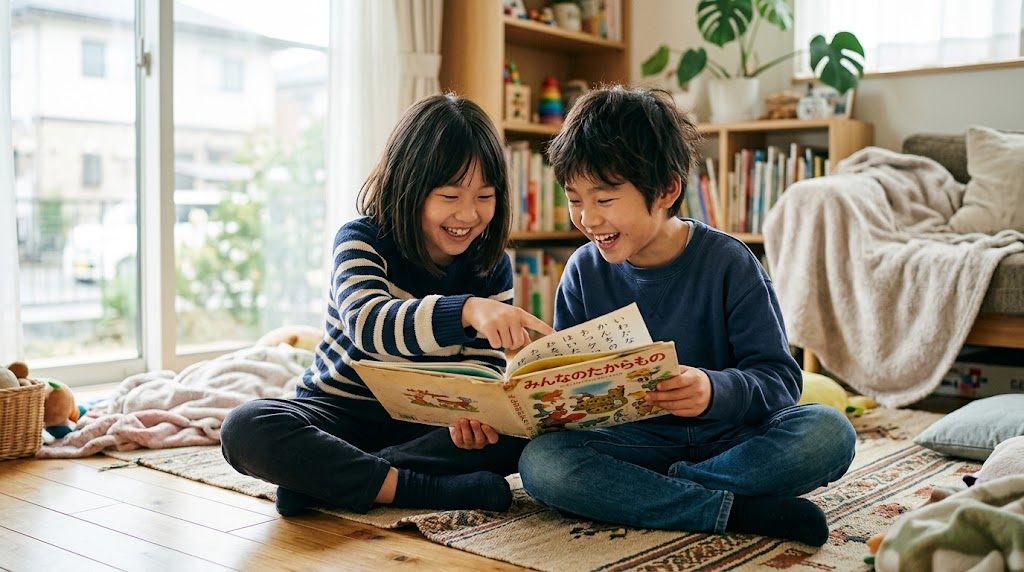
You can set most Pokémon games to Japanese with all-katakana or kana text, which turns hours of play into painless reading practice — you already know the story, so your brain fills in the meaning while your eyes learn the shapes. Start by reading Pokémon names aloud, then menu words like たたかう (fight), にげる (run), どうぐ (items). The one thing a game can’t give you is a real person to talk to. That’s where the phrases become conversation: がんばれ、やった、いくぞ only truly stick when you say them to a friend and hear one said back.
So use Pokémon to learn to read — it’s genuinely one of the best katakana tutors ever made — and use real friends to learn to speak. Together, that’s a complete, joyful way in.
Frequently asked questions
Can you really learn Japanese with Pokémon?
Yes — especially reading. Pokémon names are written in katakana, and the games can be played in Japanese, so they’re an outstanding, low-stress way to practise a script most learners find intimidating. Pair it with speaking practice and it becomes a full learning tool.
Why are Pokémon names in katakana?
Katakana is used for foreign words, sound effects and names that should look modern or striking — perfect for creature names. Many also hide real Japanese words (like 火 fire in ヒトカゲ), so reading them teaches vocabulary too.
What does “kimi ni kimeta” mean?
きみにきめた (kimi ni kimeta) means “I choose you!” — Ash’s famous line. It’s built on the useful verb 決める (kimeru), “to decide,” so it’s a great phrase to actually learn. See our guide to learning Japanese with anime for more.
Where can my child practise speaking with real Japanese friends?
At TOMODACHI JAPAN, kids join small-group classes with peers who live in Japan and real Japanese teachers — so the words they read in games become real conversation. Read what “nakama” really means next, or see our plans and pricing.